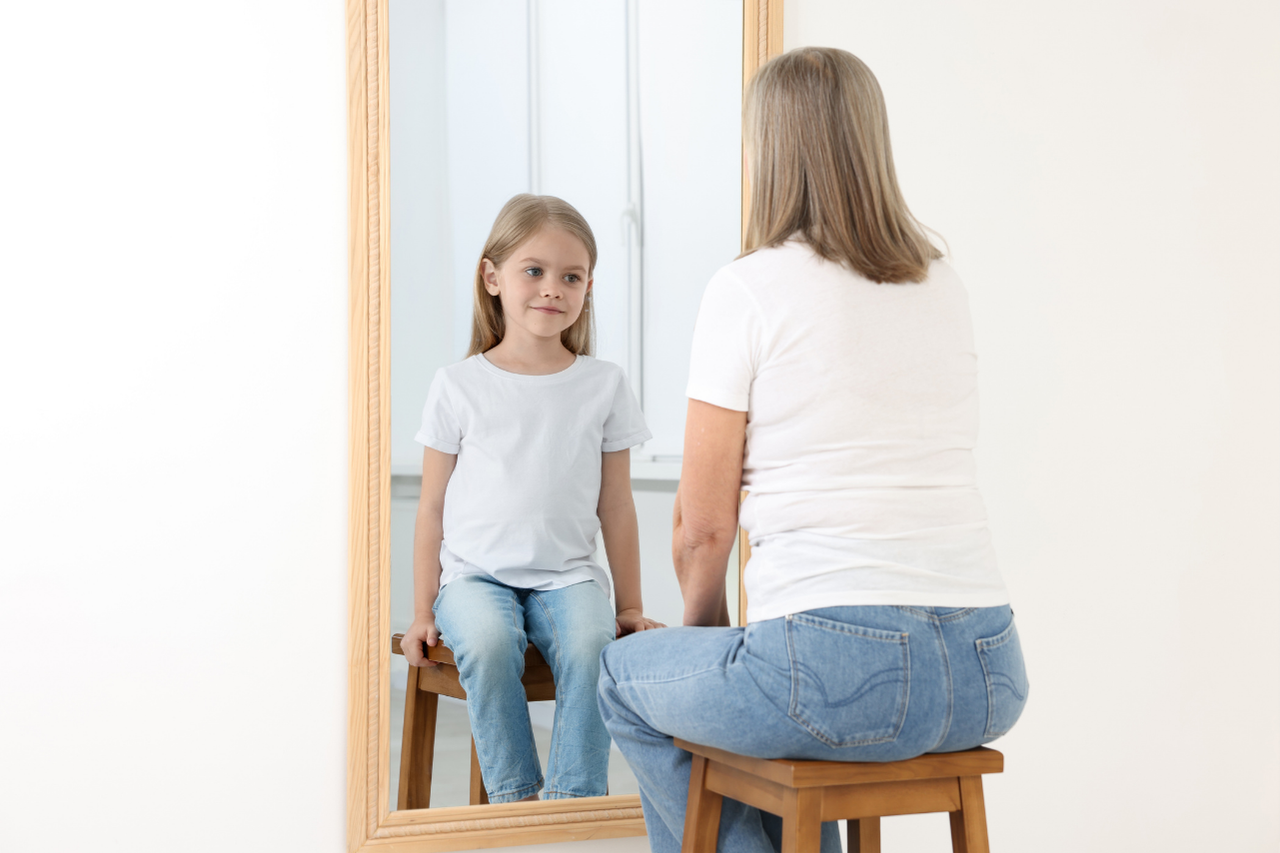






Many people notice repeating patterns in relationships or emotional reactions that feel difficult to control. You might shut down during conflict, worry about rejection, or struggle to trust others—even when you want to feel closer and more connected. Trauma therapy in Vancouver helps you understand how early childhood experiences influence these patterns and gives you tools to respond differently.
Key Takeaways
- Childhood experiences shape how we see ourselves and relate to others as adults.
- Unresolved childhood wounds can show up as patterns like shutting down during conflict, people-pleasing, or difficulty trusting others.
- Trauma therapy helps you connect present reactions to past experiences so you can respond differently.
- Attachment-focused therapy, EMDR, and nervous system regulation tools support long-term healing.
Table of Contents
- Quick Answer Up Front
- How Childhood Experiences Shape Adult Relationships
- Common Signs Childhood Wounds Are Showing Up Today
- How Trauma Therapy Helps Heal Childhood Wounds
- FAQs
- Next Steps
Quick Answer Up Front
Trauma therapy in Vancouver helps you understand how early relationships shape your emotional responses and relationship patterns today. By exploring childhood experiences and learning new tools to regulate emotions and communicate needs, therapy helps you build healthier and more secure connections.
How Childhood Experiences Shape Adult Relationships
Our earliest relationships—often with parents or caregivers—teach us how to feel safe, handle conflict, and connect with others. This is known as attachment theory.
If those early relationships included criticism, inconsistency, emotional distance, or unmet needs, you may have developed coping strategies to protect yourself. While those strategies may have helped you growing up, they can continue to appear in adult relationships.
For example:
- You might shut down during conflict because expressing feelings once led to criticism or rejection.
- You may people-please because approval felt necessary for connection growing up.
- You may struggle to trust others because emotional support wasn’t consistent.
Example:
You notice that when your partner expresses frustration, you immediately withdraw or go quiet. Even when the issue is small, your body reacts strongly. Through trauma therapy, you may discover that growing up with a critical parent taught you that staying quiet was the safest way to cope. Understanding this connection helps you see that your reaction is a learned response—not a personal flaw—and therapy helps you develop new ways of responding.
Common Signs Childhood Wounds Are Showing Up Today
- Childhood wounds often appear in subtle ways. Some common signs include:
Shutting Down During Conflict
- Instead of expressing how you feel, you may withdraw emotionally or stop engaging altogether.
Difficulty Trusting Others
- Even when someone is supportive, it may feel hard to rely on them or believe the relationship is safe.
People-Pleasing
- You might focus on meeting others’ needs while ignoring your own to avoid conflict or rejection.
Fear of Rejection or Abandonment
- Small changes in someone’s mood or tone may trigger worry about losing the relationship.
Strong Emotional Reactions
- Situations that seem minor to others may feel overwhelming or triggering.
- Recognizing these patterns is often the first step toward change.
How Trauma Therapy Helps Heal Childhood Wounds
Trauma therapy focuses on addressing the root causes of patterns, not just managing symptoms.
At Aligned Relationship Counselling, trauma therapy may include:
Attachment-focused therapy
Explores how early relationships shaped your expectations of connection and provides a safe space to try new ways of relating.
EMDR (Eye Movement Desensitization and Reprocessing)
Helps process stuck memories, beliefs, and emotional responses so they no longer trigger the same intensity.
Nervous system regulation tools
Practical strategies that help calm your body when you feel triggered or overwhelmed.
Cognitive reframing
Helps shift negative beliefs about yourself that may have developed from early experiences.
Over time, this work helps you feel more confident, secure, and emotionally balanced in your relationships.
FAQs
Q. Do I need to remember every childhood experience for therapy to help?
A. No. Many clients start therapy without clear memories or connections. Therapy helps identify patterns first and then gradually explores where they may come from.
Q. Will talking about childhood experiences feel overwhelming?
A. Therapy moves at a pace that feels safe. While discussing past experiences may bring up emotions at first, the goal is to process them in a way that reduces their impact.
Q. Can childhood wounds really affect adult relationships?
A. Yes. Early relationships shape how we handle trust, conflict, and emotional closeness. Understanding these patterns can help you change them.
Q. How long does trauma therapy take?
A. Healing looks different for everyone. Many clients notice increased awareness and changes in their reactions within the first several sessions.
Next Steps
If you notice patterns in your relationships that feel hard to change, trauma therapy in Vancouver can help you understand their roots and build healthier ways of connecting.
Explore services:
💬 Related blogs:
- Signs You May Have Unresolved Trauma — and How Therapy Helps
- How Trauma Therapy in Vancouver Helps You Heal from the Past

View my Psychology Today profile